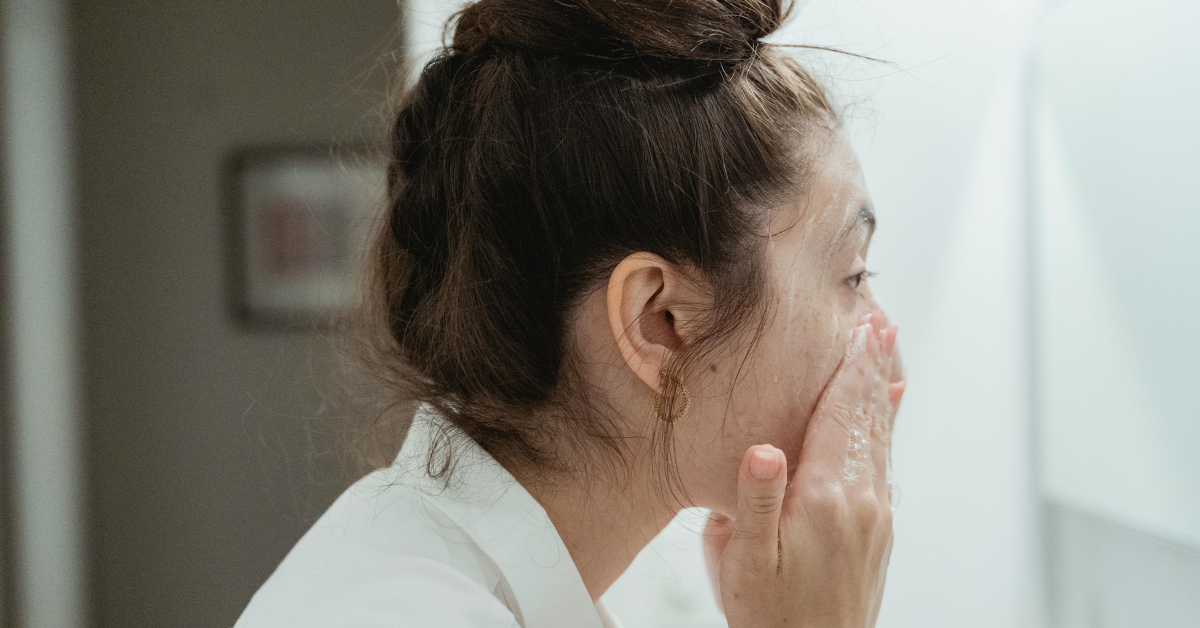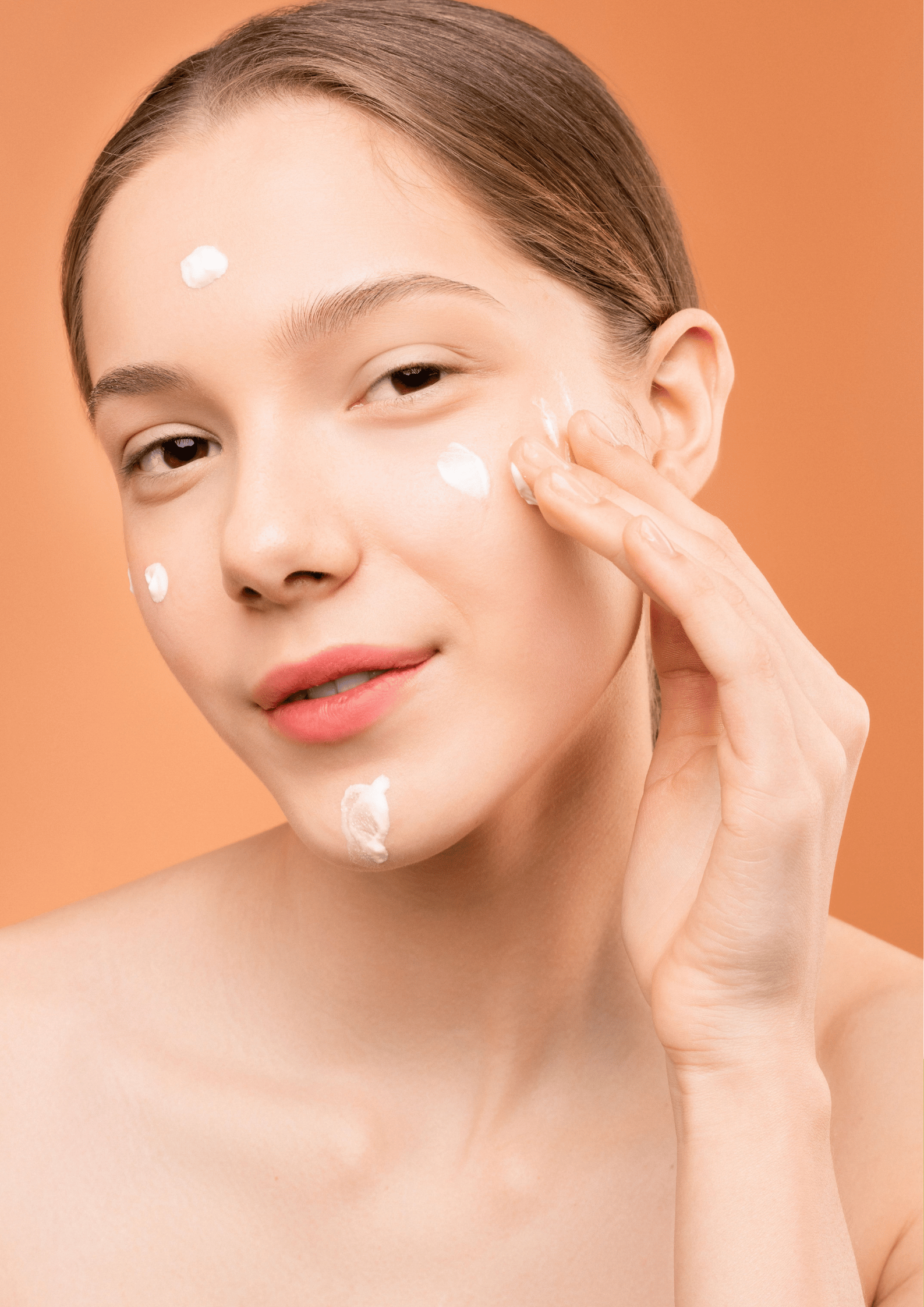
Teenage skin can be baffling to comprehend. You might wake up one morning with dry skin only to find yourself dealing with a breakout by evening. Have you ever been paralyzed by indecision while shopping for skincare? There is nothing wrong with you; we have all been there.
In truth, you do not need complicated skincare or costly products. Here’s the bottom line: you need a skincare routine for teenage girls that is uncomplicated, sustainable, and effective for your skin.
Here is how it goes.
In your teenage years, the activity of your hormones goes up. This leads to increased production of sebum, which is your natural oil. Increased production results in enlarged pores, more pimples, and unwanted shiny patches on your face.
In addition to that, your skin in your teenage years becomes even more sensitive than the skin in your 20s. This is why using too strong skincare products designed for adults can lead to negative consequences.
Step 1: Know Your Skin Type First
Before purchasing any beauty products, understand which skin type you are dealing with. Applying incorrect beauty products is often the reason why skin care regimes do not give the desired results.
Oily Skin: Shiny T-zone area, lots of pimples, and enlarged pores.
Dry Skin: Feels taut after washing, with some scaling on the face.
Combination Skin: Oily nose and forehead but dry cheeks.
Sensitive Skin: Gets easily irritated or blushes when using any product.
Normal Skin: Well-balanced skin, neither oily nor dry
An easy trick to determine your skin type: cleanse your face, then leave it for 30 minutes without applying any cream or lotion.
The Basic Skincare Routine for Teenage Girls: AM & PM
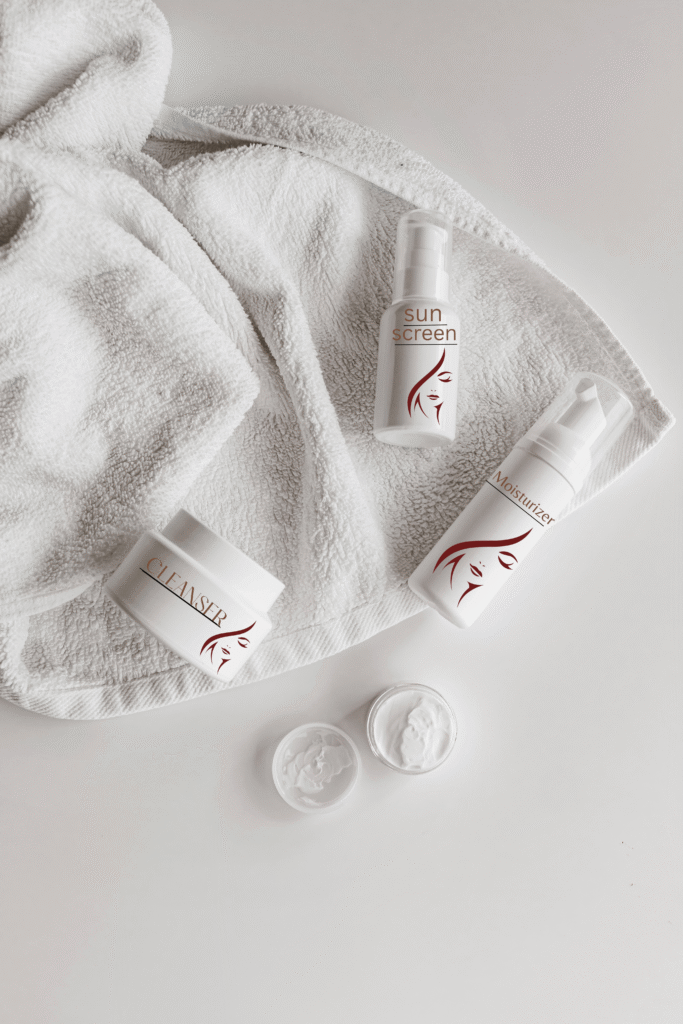
All you really need is four items.
Morning Routine
Step 1: Cleanser:
Start your day with a gentle and non-foaming cleanser that doesn’t contain harsh sulfates and does the job of cleaning up all the excess sebum accumulated during your sleep. If you struggle with breakouts, find one with salicylic acid. In case you have dry or very sensitive skin, opt for one enriched with glycerin and/or ceramides.
Cleansing should be done with lukewarm water because hot water strips your skin of its protective oil barrier, leaving skin dry and irritated.
Step 2: Light Moisturizer:
Don’t skip this step because dehydrated skin tends to overproduce oil, and you surely don’t want that. Oil-based formulas are great for dry skin, while lighter water-based or gel-based moisturizers can be used by those who have oily skin.
Step 3: Sunscreen, No Exceptions:
This product tops the list of essential ingredients you cannot do without. Not only will an SPF protect you from harmful sun rays, but it will also help prevent hyperpigmentation, signs of premature aging, and, in the long term, skin issues.
Night Routine
Step 1: Double Cleanse on Heavy Days:
For the nights you have applied sunscreen or any form of makeup, use cleansing oil or micellar water to cleanse first before using your usual cleanser. It helps in making sure your pores are cleaned properly, since most of us just make them appear as if they were cleansed.
For days, you did not apply anything on your face; you can simply use your cleanser.
Step 2: Moisturizer:
It is during the night that our skin gets repaired.
For Acne-Prone Skin: What Actually Helps
Acne is totally expected during your teen years, but it doesn’t have to be frustrating. Some things you can do:
Apply products that contain salicylic acid or benzoyl peroxide on active pimples alone, not on your entire face. This leads to dry skin and inflammation.
Ensure that the products used are labeled “non-comedogenic.” In other words, they will not block pores.
Avoid popping those pesky zits because they trap more bacteria, inflame skin, and lead to scarring that lasts for months.
Skincare Tips Nobody Talks About
The competitors tell the same story. The following are some practices they ignore.
Change your pillowcase twice a week:
Pillowcases accumulate all kinds of germs such as oils, dead skin, and bacteria from your scalp and face each time you use them. It would be like using a dirty mop in an attempt to clean your floors, yet complaining of the dirtiness.
Clean your phone screen daily:
Your phone stays close to your face all day, right? Well, imagine how many germs it has. An oily and germ-filled screen would mean that you have a dirty cheek or jawline, which often results in breakouts.
Drink water, but don’t skip moisturizer:
While drinking enough water keeps you well-hydrated from the inside, the body needs help to retain moisture; hence, apply moisturizers after washing your face.
Stress shows up on your skin:
When stressed, there is the secretion of a hormone called cortisol. In other words, exam periods lead to breakouts, and breathing exercises or walks can work wonders for you.
Ingredients to Use and Ingredients to Avoid
Safe ingredients for teens: Salicylic acid (treats acne), niacinamide (controls oil production & redness), hyaluronic acid (hydration), ceramides (rebuilds skin barrier), aloe vera (soothes skin)
Avoid for now: Harsh anti-aging products (especially those meant for adults), strong retinoids, physical exfoliants, alcohol-based toners, and strongly scented skincare products. Your skin does not require anti-aging care at this age; it needs protection.
Common Mistakes Teenage Girls Make With Skincare
Overwashing the face
Washing it more than twice a day removes natural oils, making your skin produce even more oil. Twice a day is enough.
Skipping moisturizer because skin feels oily
This is probably one of the most popular skincare mistakes ever made. Oil doesn’t equal hydration, so apply some.
Copying someone else’s routine
The skin of your friend with dry skin will react differently to the same skincare products as yours do.
Expecting instant results
Four to six weeks is a minimum amount of time needed to see real results with a skincare routine.
Using too many products at once
Five new products applied simultaneously make it impossible to figure out which one causes a negative reaction and which helps.
When to See a Dermatologist
In case of extreme acne, pain, cysts, or scarring, avoid using OTC products only. It is better to consult a dermatologist for an effective prescription medicine that will target your condition properly. It is nothing to be ashamed of; in fact, it makes a lot of sense to do so.
Final Thought
It is important not to go for an elaborate or costly skincare routine but rather to opt for a skincare routine that you can easily follow on a daily basis. Begin with a good cleanser, moisturizer, and sunblock. Consistency is key. Remember to treat your skin kindly since it has a lot going through at the moment, just like you have.
Q: At what age should a young girl start her skincare routine?
Starting a basic routine of cleansing, moisturizing, and sun protection at ages 12-13 would be ideal. There is no need to wait until acne starts
Q: Should I use sunscreen as a teenager?
Yes! The harmful effects of UV rays accumulate throughout childhood years. Regular use of SPF is the most important step you could take for skin health.
Q: Are adult skin care products okay for teenagers to use?
It depends on the product. Many anti-aging formulas have very active ingredients that might not suit sensitive teenage skin. Always check!
Q: How frequently should I exfoliate as a teenager?
It should be done once or twice weekly with an exfoliating agent such as salicylic acid. Physical scrubbers are much too abrasive for teenage skin.
Q: Do my eating habits have anything to do with skin?
Indeed! Excessive sugar intake and consumption of unhealthy foods often cause acne breakouts in certain individuals. Skin benefits from a healthy diet.

Sobia is a skincare & wellness content writer at peacelove.info. She writes beginner-friendly, research-backed skincare guides that help everyday girls build simple routines for healthy, glowing skin.