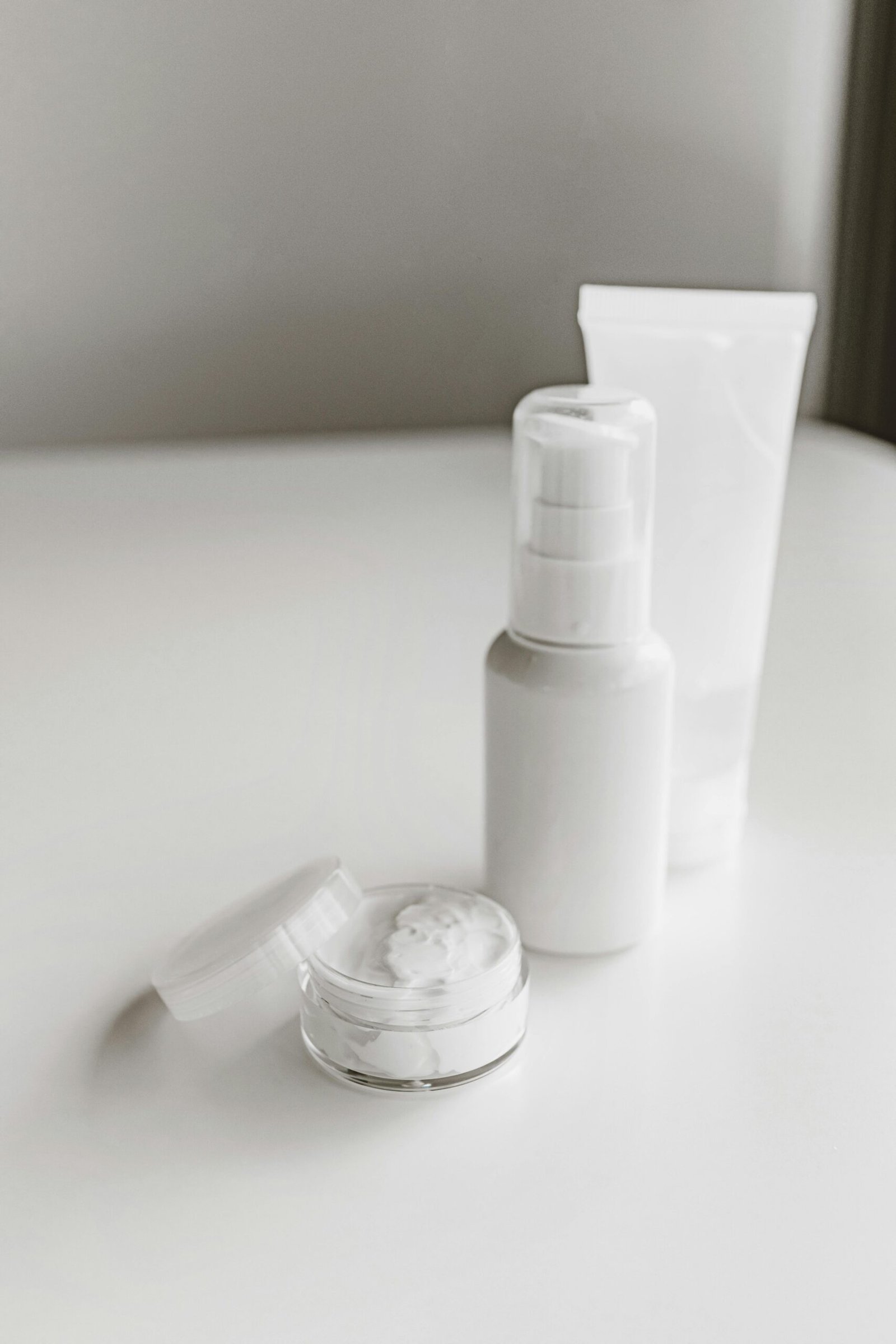
Almost everyone uses all their skin care efforts during the daytime. However, this is how it is: your skin is at its peak activity level at nighttime. An effective night skincare routine is the real game-changer in making your skin glowing and healthy.
During sleep, your skin switches to the repairing mode, which allows it to mend any damage sustained throughout the day, regenerate cells, and efficiently absorb any applied products. In other words, your night skincare routine will not only help you look better. It is one of the strongest skin care moves that you could make.
Why Does Skin Repair Better at Night?
By day, your skin focuses on defense from ultraviolet light, pollutants, and other stressors. Once it’s nighttime, however, its function shifts from defense to restoration.
During sleep, melatonin, an essential hormone, is produced by your body. This, in turn, initiates enzymes’ processes of skin healing and repair. Meanwhile, levels of cortisol fall considerably. The rate of cell renewal becomes higher; the production of collagen increases as well as the function of your skin barrier.
In addition, this is one of the reasons why your night skincare routine products work better than daytime ones in terms of their efficiency. Absorption of the product occurs much faster in the evenings than in the mornings, and for that reason, combining it with a good morning skincare routine becomes very important.
Step-by-Step Night Skincare Routine
Step 1: Makeup Remover or Cleansing Oil
Do not sleep wearing makeup or sunscreen. They remain on your skin for the entire night, blocking your skin pores. Your skin cannot breathe or repair itself when it is present.
Use a moisturizing cleanser or micellar water. Massage it on your face using dry skin. Do this for a minute or so. The cleanser will remove makeup and other impurities without stripping your skin.
Step 2: Cleanser
This should be followed by cleansing with a water-based cleanser to ensure that your skin is properly cleaned before you put any other product on it. Your skin will not be able to absorb anything while it is dirty.
Always use lukewarm water, and massage it gently with your fingers, and then pat it dry.
Step 3: Toner (Optional)
For those who like using toners, this would be the time to apply it. A moisturizing toner that does not contain alcohol can help restore your skin’s natural pH level and get your skin ready for applying your other products.
Apply this toner by pressing it on your skin using your palms rather than a cotton swab.
Step 4: Exfoliant (2 to 3 Times a Week Only)
Exfoliating helps eliminate dead cells that give your skin a dull appearance and stop products from being absorbed into your skin effectively. The best time for exfoliation is nighttime since certain exfoliators increase sensitivity to sun exposure.
Use light chemical exfoliators, like AHA or BHA, two to three days per week. If you are trying this out for the first time, our skincare routine for beginners will show you how to include activities effectively. Exfoliation every night destroys the protective layer of your skin. Furthermore, never exfoliate while using retinol.
Step 5: Serum or Treatment
This is the most crucial stage of your night skincare routine. At night, you apply products that are the most powerful and have a high rate of absorption because you can avoid UV rays that may cause problems.
The retinoid is one of the best components for the improvement of fine lines, texture, and the evenness of your skin. On your first use, you may want to start with the mildest form one time per week, increasing as needed as your skin adjusts to the product. This advice is echoed by the American Academy of Dermatology. Never apply retinoids during the day.
Niacinamide is a good choice for treating excess sebum and redness of the skin. Peptides help your skin produce collagen. The hyaluronic acid makes your skin hydrated.
Apply one of the treatments to your skin, depending on your problem.

Step 6: Eye Cream
The skin near the eyes is the thinnest skin on your face. It gets old quickly, and signs of tiredness and dehydration can appear faster than any other part of your face.
Use eye cream by applying it gently to the orbital bone area with your ring finger. You should not rub or pull the skin when you apply it.
Step 7: Moisturizer or Night Cream
Use a moisturizer to seal in all the goodness. Night moisturizers are normally thicker compared to day moisturizers, as the body loses a lot of moisture while sleeping.
These are some of the key ingredients that you need to be wary about: ceramide, shea butter, and hyaluronic acid. You will know what the appropriate formulation is according to your skin type. Apply it to your face and neck by gently lifting your hand and doing upward motions.
Should your skin be very dry and/or dull, use an overnight mask at least once or twice a week in place of your usual moisturizer.
Step 8: Spot Treatment (If Needed)
In case of any spot, apply it after the use of serum but before the application of moisturizer. It is recommended at night, as spot treatment products require time to act and are supposed to remain intact during that time period.
Quick Night Skincare Routine Summary
| Step | Product | How Often |
|---|---|---|
| 1 | Makeup remover or cleansing oil | Every night |
| 2 | Gentle cleanser | Every night |
| 3 | Toner | Every night (optional) |
| 4 | Exfoliant | 2 to 3 times a week |
| 5 | Serum or retinol | Every night or as directed |
| 6 | Eye cream | Every night |
| 7 | Night moisturizer or sleeping mask | Every night |
| 8 | Spot treatment | As needed |
One More Thing: Don’t Forget The Pillow
This is one piece of advice that most people overlook, yet it can make all the difference when it comes to how well your night skincare routine works. Your pillowcase will be touching your skin for six to eight hours every night. In case it is not clean, it will put bacteria, leftover skincare ingredients, and even dust on your skin.
Always wash your pillowcase once a week. Try using a satin or silk pillowcase, as this causes less friction with your skin than a cotton one.

Final Word on Night Skincare Routine:
The skin does a lot of work even when you’re asleep. A simple but consistent night skincare routine merely offers your skin the help it needs to get its job done.
You don’t have to include ten items in your skin care routine or spend hours on it. A simple night skincare routine involves the basic steps of cleansing, treating, moisturizing, and then giving your skin the space it needs. Do this repeatedly, and the results won’t be far behind. You don’t get glowing skin by chance; you get glowing skin through consistent night skincare routines.
Should I have a specific night cream, or will my regular moisturizer be enough?
Your regular moisturizer should work just fine at night. A night cream is more enriched and nutritious than your normal moisturizer and works great for dry skin. However, using your regular moisturizer should be okay
Can I apply retinol to my skin every day?
No, not when you first start. You should begin applying it once a week and gradually work your way up to twice or thrice a week as your skin gets used to it.
Is there a need for double cleansing if I don’t wear any make-up?
Double cleansing remains important, even if you just wear sunscreen. Sunscreen cannot be removed effectively by a regular cleanser. Using a cleansing oil helps ensure your skin is actually clean.
How much time should be allowed between the application of two products?
Wait for at least a minute between using two products so as to allow them to sink into your skin.
Does sleep actually have a big impact on your skin?
Sleep does have a considerable impact on your skin. If you don’t sleep well enough, the level of your cortisol hormones will increase, resulting in inflammation, acne, and skin aging.

Sobia is a skincare & wellness content writer at peacelove.info. She writes beginner-friendly, research-backed skincare guides that help everyday girls build simple routines for healthy, glowing skin.