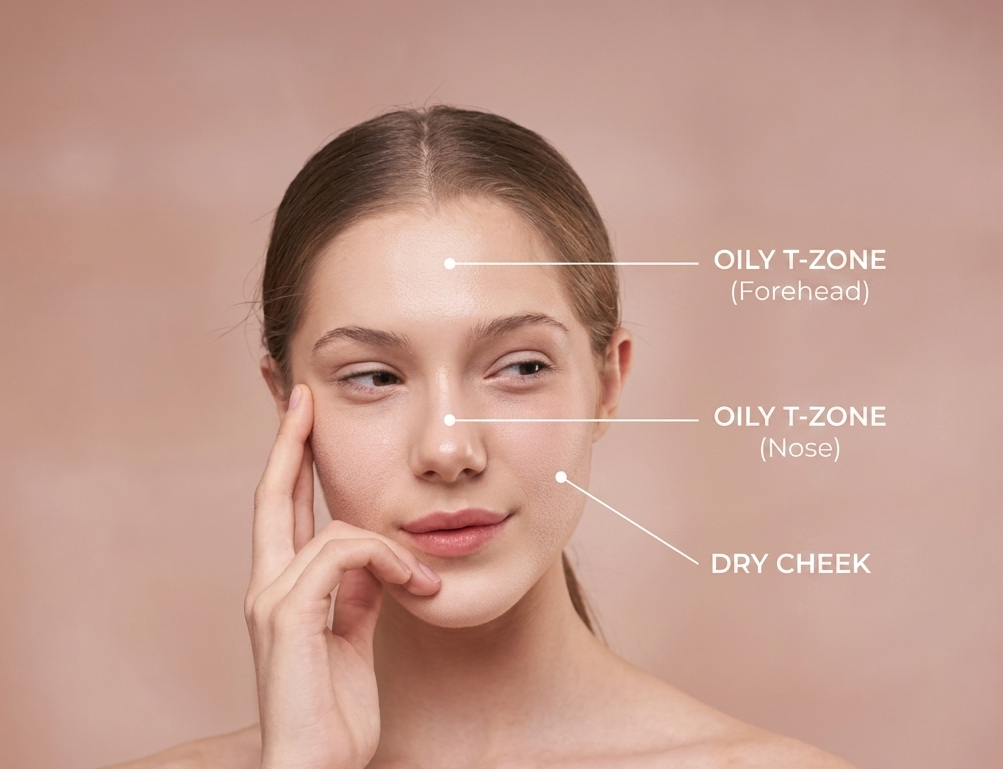
When your forehead and nose are shiny by midday, and your cheeks feel dry and tight at the same time, you’re not seeing things. You have combination skin T-zone issues, and your T-zone is the culprit responsible for all this chaos.
People spend years trying to resolve this issue with products designed to address either oily or dry skin. In both cases, one part gets worse, and the other suffers due to the treatment applied. This vicious cycle goes on because people tend to treat their face as a uniform piece of skin when, in fact, their face is anything but that.
In this blog, I will explain what combination skin is, why your combination skin T-zone behaves the way it does, and what you can do to address the problem without using ten different products.
What Is Combination Skin?
Combination skin is merely a term used to describe different behaviors of different facial regions.
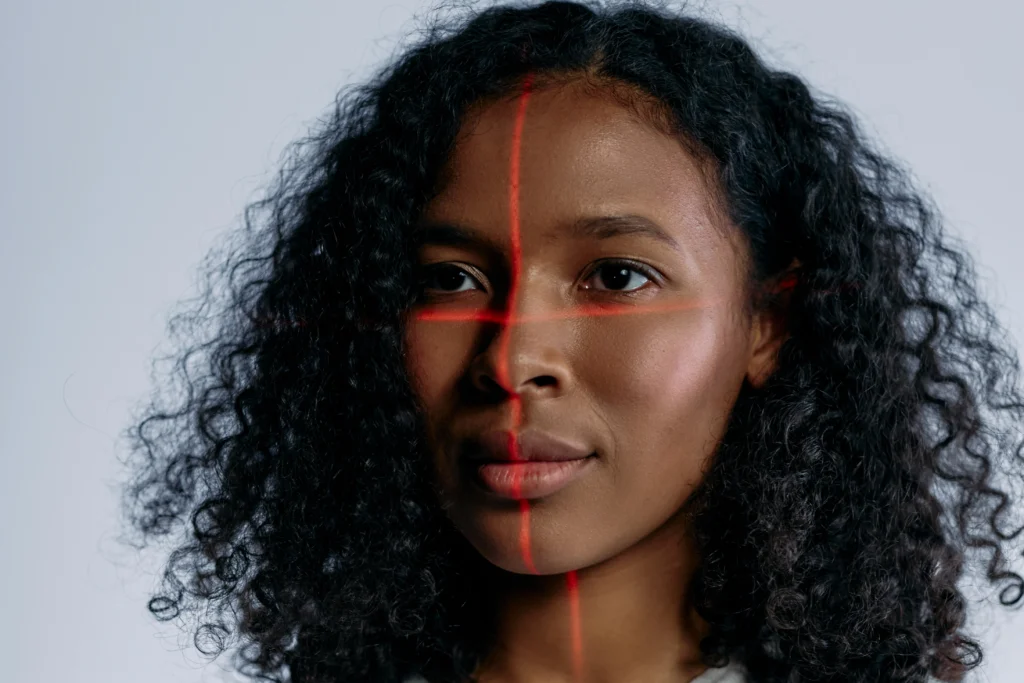
The typical example would be when your face is oily in one region and dry in another simultaneously. Specifically, you will have an oily area known as the T-zone (forehead, nose, and chin), which resembles the letter T on the face, along with dry cheeks.
As expected, the T-zone is where you will get an excess of oil, a shinier complexion, and maybe even blackheads. The cheeks, on the other hand, may be tight, flaky, or normal. In fact, combination skin is fairly common.
Why Does the Combination Skin T-Zone Get So Oily?
In this case, sebaceous glands play an important role. They are small oil glands located underneath the surface of the skin. The T-zone area features a larger number of sebaceous glands than other facial areas, meaning it secretes excessive amounts of natural oils.
While the sebum helps protect the skin from the external environment and hydrates it, overproduction leads to the development of various problems, such as excessive oil secretion, enlarged pores, and blackheads.
These problems occur because of the hyperactivity of the sebaceous glands caused by hormonal changes, improper use of skin care products, genetic predisposition, and stress.
At the same time, the cheek area features a few sebaceous glands. As a result, it suffers from oil deficiency and can easily get dry during cold seasons or after using some skin care products.
What Causes Combination Skin to Get Worse?
Using Harsh Cleansers
In case you apply a very harsh cleansing agent on the oily skin of your face, your facial skin will lose all its moisture, and it will try to make up for it. Thus, the oiliness will only increase in the T-zone area, while the dryness will aggravate your cheeks.
Skipping Moisturizer
Individuals with an oily T-zone assume that there is no need to use moisturizers since the face already appears oily. However, having an oily T-zone does not imply that other parts of the face have enough moisture. Failure to use a moisturizer will only result in a dry-skinned face.
Using Too Many Products at Once
The use of too many acids, serums, or other skin treatments may upset the balance of combination skin and cause sensitivity and sebum production over time
How to Take Care of Combination Skin T-Zone the Right Way
Choose a mild cleanser. Do not use anything that produces lots of foam. A mild cream or gel cleanser will be suitable for people with combination skin, as it removes impurities as well as excess sebum from the skin. Cleansing should be done using lukewarm water and not hot water.
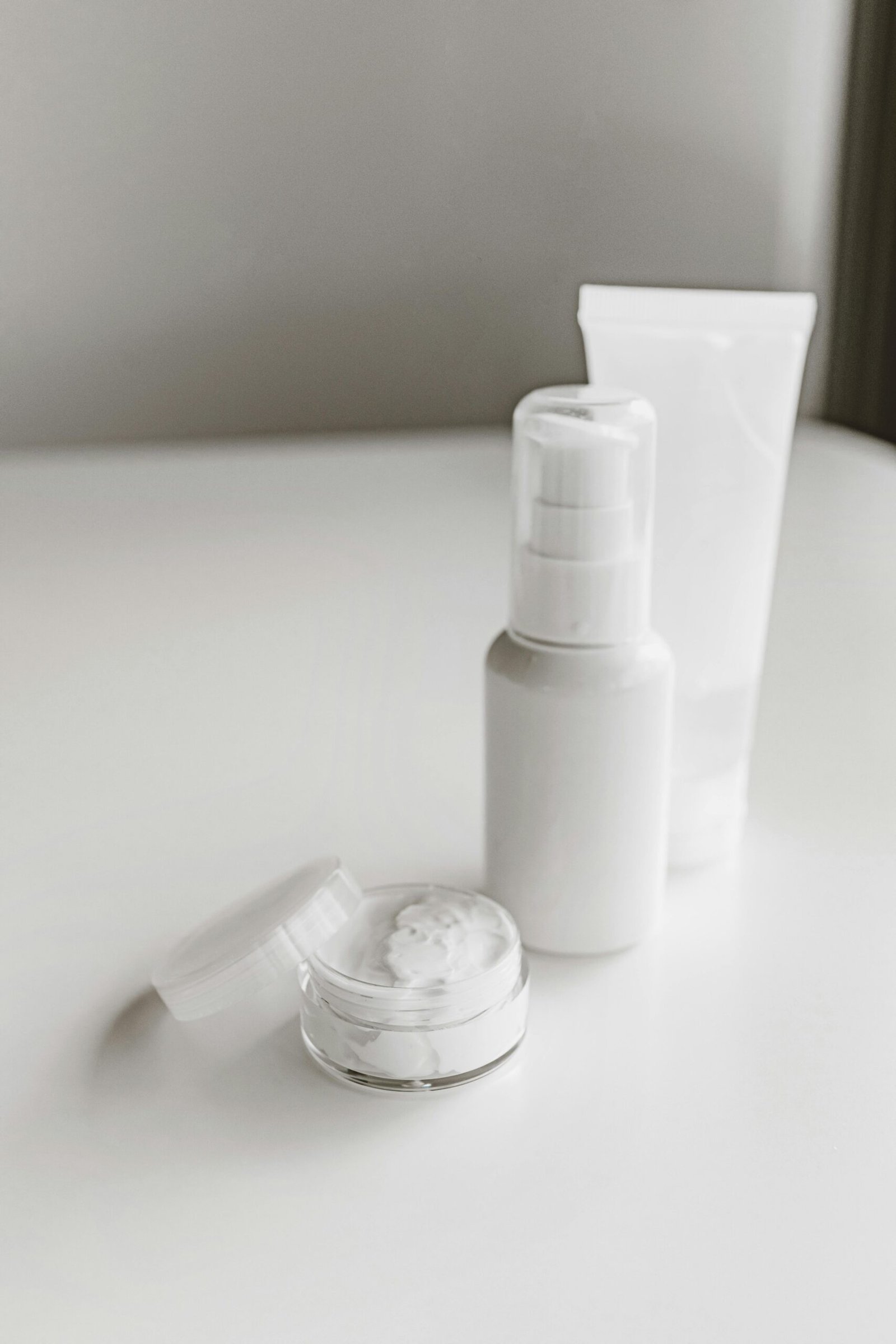
Apply moisturizer to the entire face, but use this skincare product wisely. Apply an oil-free moisturizer all over your face.
However, if you find your cheeks extremely dry, then apply a slightly heavy moisturizer on your cheeks while applying light moisturizer on the T-zone region. Such a zone-wise application of moisturizers is very effective when it comes to taking care of combination skin.
Do not miss applying sunscreen lotion. Like any other skin, combination skin needs to be protected from the harmful effects of UV rays. Apply lightweight and gel-based sunscreen lotion with SPF 30 or more, as it will not make your T-zone even heavier.
Gentle exfoliation once or twice a week is recommended for people with a combination skin type. Chemical exfoliating products containing salicylic acid will be especially good for the combination skin type, as it reaches down to the deep layers of skin.
Best Ingredients for Combination Skin T-Zone
Ingredients to Look For
One of the most ideal products to include in a skincare routine for combination skin would be niacinamide. Niacinamide is capable of regulating oil secretion within the T-zone while simultaneously soothing the drier parts of the skin. Hyaluronic acid is great for moisturization, even if it is very lightweight. Salicylic acid is good at maintaining unclogged pores within the T-zone. Ceramides will provide barrier support for your cheeks.
Ingredients to Avoid
The most problematic ingredients for combination skin include heavy oils such as coconut oil and very dense creams, as well as those rich in alcohol, as they either clog pores in the T-zone or dry up cheeks.
Does Combination Skin T-Zone Change with the Seasons?
Indeed, it does. During the winter season, dry air will cause the skin to lose its moisture content, resulting in dry cheeks and a calmer T-zone. The increased heat and humidity during the summer season will result in an increase in oil production, making the combination skin T-zone appear shinier.
Seasonal changes make it easier to adjust your skincare regimen. If you live in an area where it gets colder during winter, you should opt for a thicker moisturizer for the cheeks. A good indoor humidifier will also be beneficial.
A Simple Daily Routine for Combination Skin
Morning: Soft gel or cream cleanser, light lotion (more emollient for the cheeks if required), and sunscreen gel, SPF 30 or more.
Night: Soft cleanser, salicylic acid toner/serum applied to T-zone only (2-3 times a week), lotion applied all over the face.
Conclusion
Combination skin T-zone is an issue that should not be dealt with; it should be comprehended. Once you cease to think of all of your face zones equally and start focusing on their needs, everything changes for the better. Gentle cleansing, the right moisture product, sun protection, and time are your greatest allies here. Your combination skin T-zone doesn’t have to dictate the rules when it comes to skincare.

In reality, most people with combination skin don’t require more skincare products than they already use; they simply require a change in approach. As soon as you start being more thoughtful about what you do with your combination skin T-zone compared to your cheeks, you will begin seeing results within a couple of weeks.
The excess shine decreases, your skin stops being too dry, and balance sets in. However, trial and error is expected to some extent, as it happens for all people. Everyone’s skin is unique and may require slight changes to what works well for another person.
The main thing is not to get frustrated and change everything all the time, but to be consistent and patient, sticking to one routine until your skin gives its response. Impatience is one of the biggest mistakes people make regarding caring for combination skin. This is an informational blog post; please seek help from a dermatologist for any serious skin issues.
Can combination skin be forever?
No, not always. Skin types may vary according to age, hormonal changes, weather conditions, and other lifestyle factors. Combination skin may also turn into normal or dry skin as a result of age.
Will the same moisturizer work for all parts of my face?
Absolutely yes! Provided that it does not have any heaviness. In case your cheeks are super dry, you may apply extra moisturizer to them or just the cheek area.
Will increasing water intake benefit combination skin?
Increased water intake is beneficial for skin overall; however, it will not prevent the production of oils in the T-zone. This is primarily determined genetically and hormonally.
Why does my T-zone become greasy so soon after cleansing my face?
It generally indicates that the cleanser used is too harsh, leading to an overproduction of sebum in order to compensate. Using a less intense cleanser will solve the problem over time.
Is it possible to use facial oils on combination skin?
Yes, but be careful with your selection. Combination skin tolerates lightweight oils, like squalane oil or rosehip oil, well, but heavier oils, like coconut or olive oil, should be avoided in the T-zone.

Sobia is a skincare & wellness content writer at peacelove.info. She writes beginner-friendly, research-backed skincare guides that help everyday girls build simple routines for healthy, glowing skin.