Each individual hyaluronic acid molecule is able to absorb up to 1,000 times its weight in water. This hygroscopicity allows it to hydrate not only the stratum corneum but also the dermis layer of your skin. When you find yourself using multiple moisturizers, and your skin still feels tight, dry, and flaky, it’s unlikely that your skin needs moisture; rather, it cannot retain the moisture it gets.
Hyaluronic acid for skin care is the solution to this very problem. This article will explain all the things you need to know about hyaluronic acid (including how to apply hyaluronic acid serum), whether you need it, how it compares with other components such as niacinamide and glycerin, and so on.
In This Guide, You’ll Learn:
1. What hyaluronic acid for skin actually is (and the two types that matter)
2. The real benefits of hyaluronic acid for skin, backed by clinical research
3. A step-by-step method for applying hyaluronic acid serum correctly
4. Hyaluronic acid for skin side effects and the #1 mistake beginners make
5. How hyaluronic acid for aging and dry skin compares to niacinamide and glycerin
6. Answers to the most-searched hyaluronic acid questions
What Is Hyaluronic Acid for Skin? (Definition + Context)
Hyaluronic acid (HA) is defined as a naturally occurring glycosaminoglycan, a large sugar chain glycosaminoglycan present in skin, connective tissues, and joints in humans, serving mainly as a water-binding and cushioning compound. Being a hygroscopic substance, it can absorb and retain up to 1,000 times its own weight in water, which explains its classification as a humectant, not an emollient or occlusive. PubMed Central
While your body synthesizes hyaluronic acid on its own, its synthesis rate decreases with age, and UV exposure is one of the reasons for skin aging. That is where the role of skincare products comes into play.
What Does Hyaluronic Acid Do for Skin?
The functions of hyaluronic acid for the skin are to absorb water in the upper layer of the skin and help retain water. In the dermis, HA maintains water content, osmotic pressure, and ionic transport while maintaining the integrity of the skin due to electrostatic interaction. Simply put, it acts as a sponge that helps keep the water content of your skin from evaporating.
High vs. Low Molecular Weight HA (Why Ingredient Labels Matter)
The behavior of HA on the skin is not the same, and molecule size is what makes the difference. High molecular weight HA (HMW-HA) has little to no permeability and remains on the skin surface to form a thin hydration layer, whereas low molecular weight HA (LMW-HA) easily penetrates the skin layers to offer extra benefits other than hydrating the surface. European Medical Journal
HMW-HA → surface hydration, barrier support, lower irritation risk
LMW-HA → deeper penetration, better for fine lines and elasticity
Multi-weight formulas → combine both for surface and deep hydration
Not sure of your skin type first? Check out our Skin Type 101 guide before choosing a formula.
Why Hyaluronic Acid for Skin Matters in 2026
The focus of skincare is now centered around maintaining skin barrier function rather than the previously held belief that more active ingredients mean better results. Hyaluronic acid for skin plays right into this trend, as it moisturizes without disrupting the skin barrier, unlike other active ingredients.
Benefits of Hyaluronic Acid for Skin, Backed by Research
Rather than relying solely on marketing tactics, the benefits of hyaluronic acid for skin have been demonstrated through scientific, controlled trials. In one such study, researchers looked at the impact of sodium hyaluronate supplementation on skin hydration, barrier function (transepidermal water loss), skin elasticity, and wrinkle depth. Nature
Additionally, another study on the effects of oral HA supplementation on 40 people for 12 weeks showed significant improvement in their skin’s condition, measured by wrinkle assessment, stratum corneum water content, transepidermal water loss, and elasticity. PubMed Central
Hyaluronic Acid for Dry Skin
Whereas chronic dry or dehydrated skin can be restored by using hyaluronic acid for dry skin, it should be noted that it restores the water reserve in the epidermis as opposed to providing an oily layer on top of the skin’s surface.
Hyaluronic Acid for Aging Skin
The anti-aging effects of hyaluronic acid on skin are one of the most researched areas, considering that the natural content of hyaluronic acid decreases with age. Clinical trial results are demonstrating a decrease in the depth of wrinkles and an increase in skin elasticity when used consistently for 8 to 12 weeks not right away, but definitely noticeable.
Can Hyaluronic Acid Help With Acne-Prone Skin?
Yes, hyaluronic acid is non-comedogenic and lightweight, which means that while it keeps your skin hydrated, it does not cause your skin to become oily. Actually, when you have dry skin that is prone to breakouts, it tends to produce too much oil in order to stay hydrated.
Creating a complete beginner skincare routine? Check out our 5-Step Beginner Skincare Routine.
How Hyaluronic Acid Serum Works (Step-by-Step)
However, a hyaluronic acid serum will only work well when it’s used properly; it’s the most frequent error that people who have never tried it make before. Use this technique:
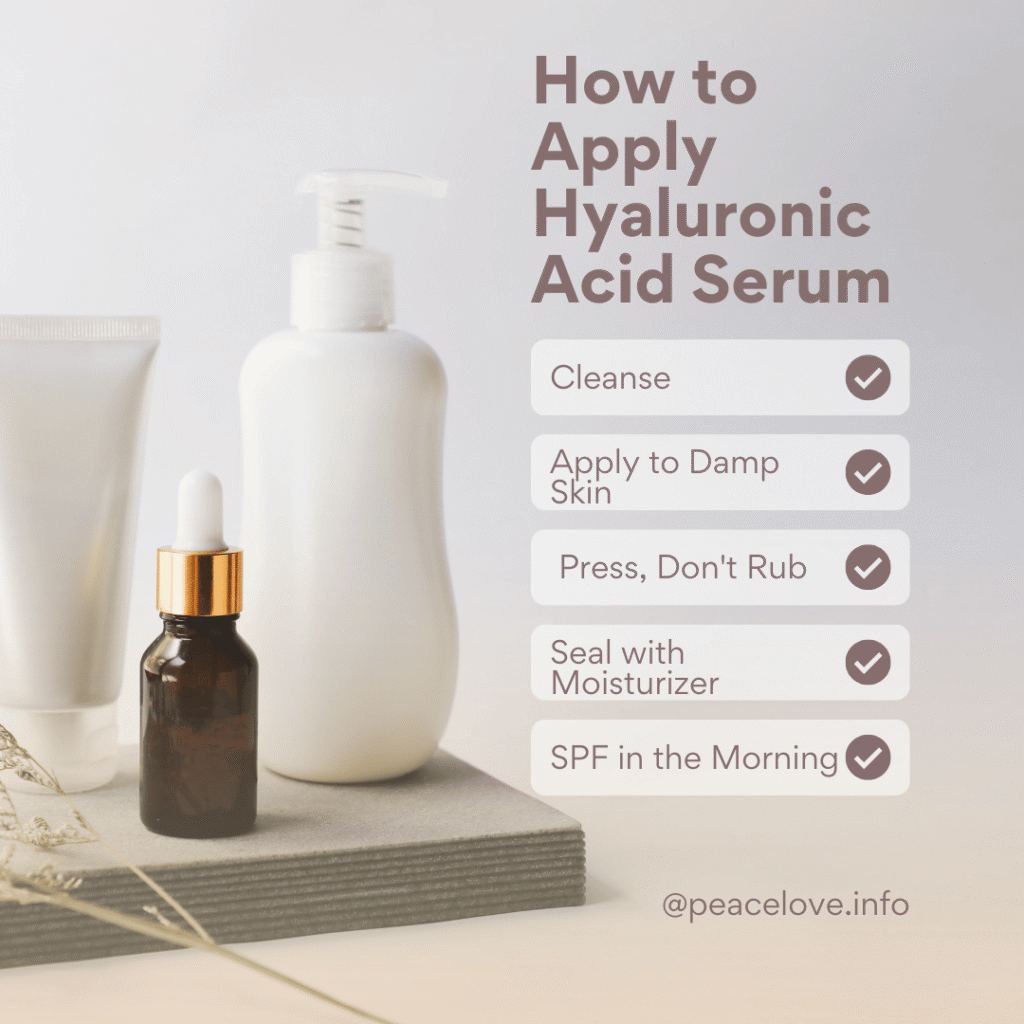
Step 1: Cleanse: Remove any dirt and oil from your face so that the serum will be absorbed without being hindered by anything.
Step 2: Apply to moist skin: Wet your face with water or hydrating toner, and use the serum right away while your face is still moist.
Step 3: Press, don’t rub: Use your hands to gently press the serum into your skin without dragging it to prevent friction.
Step 4: Seal with moisturizer: Use cream or lotion within 60 seconds to lock in the moisture the HA has attracted.
Step 5: SPF in the morning: Finish your morning routine with sunscreen since hyaluronic acid doesn’t have any sun protection qualities by itself.
Pro Tip: That is what is called the “damp-layer method,” a procedure of using hyaluronic acid serum on slightly moist (not dry and not excessively wet) skin. In case of completely dry skin, hyaluronic acid will take the moisture from deeper skin layers instead of getting it from the outside, making your skin drier.
Best Ways to Use Hyaluronic Acid for Skin
Aside from the proper application process, how hyaluronic acid for skin is layered in your skincare routine will determine if the ingredient actually works or if you are wasting it.
The Skin Hydration Ladder Framework
One must look at the process as a ladder, where each rung must occur in its proper sequence to ensure that the hydration can “climb” on the skin:
- Cleanser (to remove barriers for absorption)
- Hyaluronic acid serum (to pull water)
- Moisturizer (to seal water)
- Occlusive or SPF (to lock water and protect skin from UV)
Not doing one rung (e.g., using hyaluronic acid serum without moisturizer) means breaking the ladder and making the water absorbed by hyaluronic acid evaporate.
Morning vs. Night Application
Hyaluronic acid for skin can be used anytime, but there is a difference in the product that follows after. For the mornings, a light moisturizer and SPF should be used, while a heavier cream is good for evening usage.
Can I Use Hyaluronic Acid on My Face Every Day?
Yes, you can apply hyaluronic acid to your face daily without experiencing any irritation. Unlike the irritating properties of exfoliating acids, hyaluronic acid doesn’t irritate, and hence, it is often investigated in dermatological research papers for daily use over up to 12 weeks. Nature
Have combination skin? Here’s how to balance your T-zone while using hyaluronic acid.
Hyaluronic Acid for Skin Side Effects & Common Mistakes
Hyaluronic Acid for Skin Side Effects
Hyaluronic acid is low risk in general, but there can be side effects of hyaluronic acid on skin because of formula problems and not because of HA itself:
Application on dry skin → increases tightness (reverse humectant effect)
Application without moisturizing → Hyaluronic acid will evaporate without sealing; skin will become even drier
Reaction to fragrance or preservatives used in the formula, but not HA itself
Rare sensitivity due to compromised/very reactive skin barrier
Common Mistakes to Avoid
1. Apply Hyaluronic acid serum in a completely dry bathroom without humidity on dry skin
2. Use Hyaluronic acid serum without using a moisturizer afterwards
3. Think that “more product” means more hydration; only a few drops are needed
4. Forget about molecular weight; only HMW will not work on deep wrinkles
For those who have sensitive/reactive skin, read our guide Sensitive Skin Care: Dos and Don’ts.
Hyaluronic Acid vs. Alternatives (Comparison)
Hyaluronic Acid for Skin Comparison: Top Options at a Glance
| Ingredient | Key Feature | Best For | Editorial Score |
| Hyaluronic Acid | Binds up to 1,000x its weight in water | Dehydrated, aging, or acne-prone skin | ⭐⭐⭐⭐⭐ |
| Niacinamide | Regulates oil, strengthens barrier | Oily/acne-prone skin, redness | ⭐⭐⭐⭐ |
| Glycerin | Basic humectant, very stable | Budget-friendly daily hydration | ⭐⭐⭐⭐ |
| Ceramides | Rebuilds the lipid barrier | Very dry or compromised skin | ⭐⭐⭐⭐ |
| Squalane | Lightweight occlusive/emollient | Sealing in hydration, dry climates | ⭐⭐⭐⭐ |
“Editorial Score” represents our evaluation in terms of published dermatological studies and ingredient effectiveness, NOT reviews by consumers, independent third-party analysis, or product endorsement.
The Winner: Hyaluronic acid for skin is the winner when it comes to hydration and versatility in terms of compatibility for all skin types. But for more comprehensive effects, combining it with niacinamide or ceramides wins.
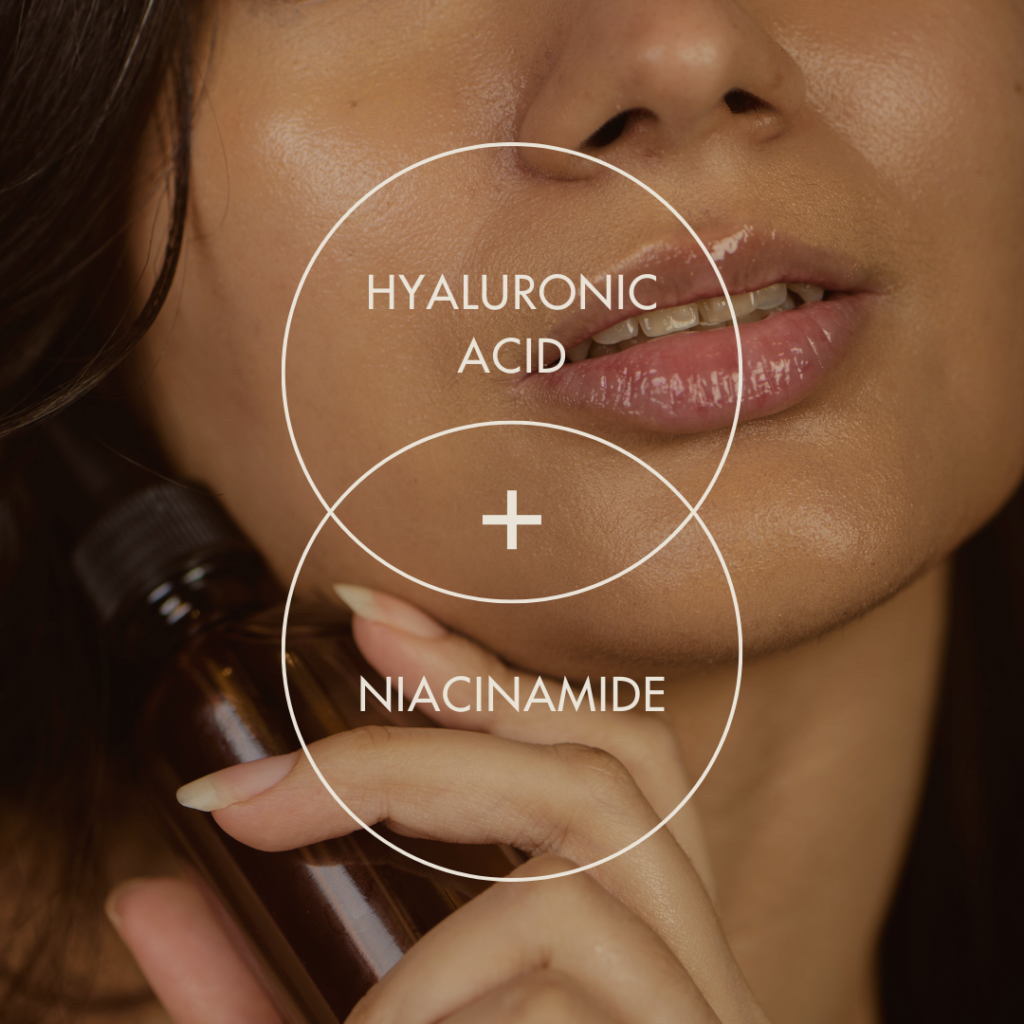
Which Is Better, Hyaluronic Acid or Niacinamide?
They aren’t really competing because they serve different purposes. Hyaluronic acid is an ingredient that helps hydrate the skin by holding onto water molecules, whereas niacinamide helps manage excess sebum and creates a stronger skin barrier, and both work well for beginners.
Expert Tips to Master Hyaluronic Acid for Skin
* Always use Hyaluronic acid serums and products on moist skin, not dry skin
* Seal Hyaluronic acid applications with a moisturizer immediately after application
* Look for Hyaluronic acid serums that have more than one weight HA formula for wrinkles
* Patch test new Hyaluronic acid products before using them if your skin is reactive or sensitive skin
* If your skin is exposed to sun rays, always use a Hyaluronic acid product along with SPF in the morning
Real-World Example: Imagine a fictional scenario where someone just starting off her skincare routine applies a hyaluronic acid serum to the dry skin of her cheeks, skipping moisturizers afterward and then asking what she should do to get her skin softer. This is just a simple example of how technique can be as important as the product itself.
Just started skincare? Try our 5-Step Beginner Skincare Routine.
Can hyaluronic acid be applied on the face daily?
Yes, it is safe to use hyaluronic acid every day. The reason is that hyaluronic acid does not exfoliate and does not disrupt the skin barrier as acids do; thus, clinical studies on its effects are conducted on daily usage over several weeks and report no skin barrier damage.
How do you use hyaluronic acid on your face?
To use hyaluronic acid, put serum on slightly moist skin and lock it into your skin with a moisturizer within approximately 60 seconds. If you apply HA serum on completely dry skin, it may absorb water from lower skin layers rather than from the surrounding environment.
Which is better, hyaluronic acid or niacinamide?
Neither is “better”; they solve different problems. While hyaluronic acid is a hydrating agent, niacinamide regulates sebum production and fortifies the skin barrier, and thus most skincare regimens include both ingredients.
What is hyaluronic acid for the skin?
Hyaluronic acid is an ingredient that hydrates the skin due to water retention and helps skin look plumper and healthier. It naturally occurs in our body and is added to skincare products and supplements.
How does hyaluronic acid for skin function?
Hyaluronic acid functions by attracting water to the skin and retaining it due to its ability to attract up to 1,000 times its own weight in water.
Is hyaluronic acid for skin worthwhile?
For most people, the answer is yes, it’s an irritation-free, research-proven way to enhance skin hydration and texture. Topical and oral HA have been proven to enhance hydration, elasticity, and wrinkles’ depth in clinical trials in 8-12 weeks.
What are the worst side effects of hyaluronic acid for skin to be aware of?
The side effects are rare and can be limited to temporary tightness from application on dry skin or a reaction to added fragrances rather than hyaluronic acid. Applying it correctly when applied to moist skin and sealed with moisturizer virtually eliminates any risks.
Does hyaluronic acid help with dry and aging skin?
Yes, hyaluronic acid for dry skin restores hydration reserves, while HA for aging skin has been proven in clinical trials to improve wrinkles’ depth and elasticity in 8-12 weeks.
Conclusion: Is Hyaluronic Acid for Skin Right for You?
Hyaluronic acid for skin is one of the rare products that has real science backing it up. Here are the three things you need to keep in mind: the mechanism of action (it locks in moisture, not sebum), the application technique (apply to wet skin with moisturizer on top), and safety (daily use is suitable for all skin types).
Sources & Methodology
The present article is based on peer-reviewed clinical studies rather than personal experimentation. Sources used:
Skin Quality Improvement and Anti-Aging Benefits of Topical Hyaluronic Acid: From Literature Review to Clinical Evidence – PMC
Oral Hyaluronan Relieves Wrinkles and Improves Dry Skin: A 12-Week Double-Blinded, Placebo-Controlled Study – PMC
Sodium hyaluronate taken orally enhances skin hydration, barrier properties, and signs of skin aging: a randomized, double-blinded, placebo-controlled study in 150 healthy volunteers – Scientific Reports

Sobia is a skincare & wellness content writer at peacelove.info. She writes beginner-friendly, research-backed skincare guides that help everyday girls build simple routines for healthy, glowing skin.